Jump to the product examples →
The short answer
Choose glass when rigid stacking, stain resistance and compatible reheating are central. Choose lightweight plastic when transport and handling matter most. Choose silicone when flexible storage, unusual shapes or a freezer-to-reheat workflow are more important than a perfectly rigid stack.
Material alone is not a safety specification. A glass container is not automatically safe for every temperature change; a plastic container is not automatically freezer-safe; and a silicone bag is not automatically stable when filled. Verify the exact manufacturer instructions.
Side-by-side decision table
Glass: stable, visible and heavy
Glass bases hold their shape, resist many food stains and can move neatly from storage to serving. The trade-off is weight and fixed volume: even when empty, the container occupies the same shelf and drawer space. A small kitchen may benefit from glass if one footprint is used repeatedly rather than buying many unrelated shapes.
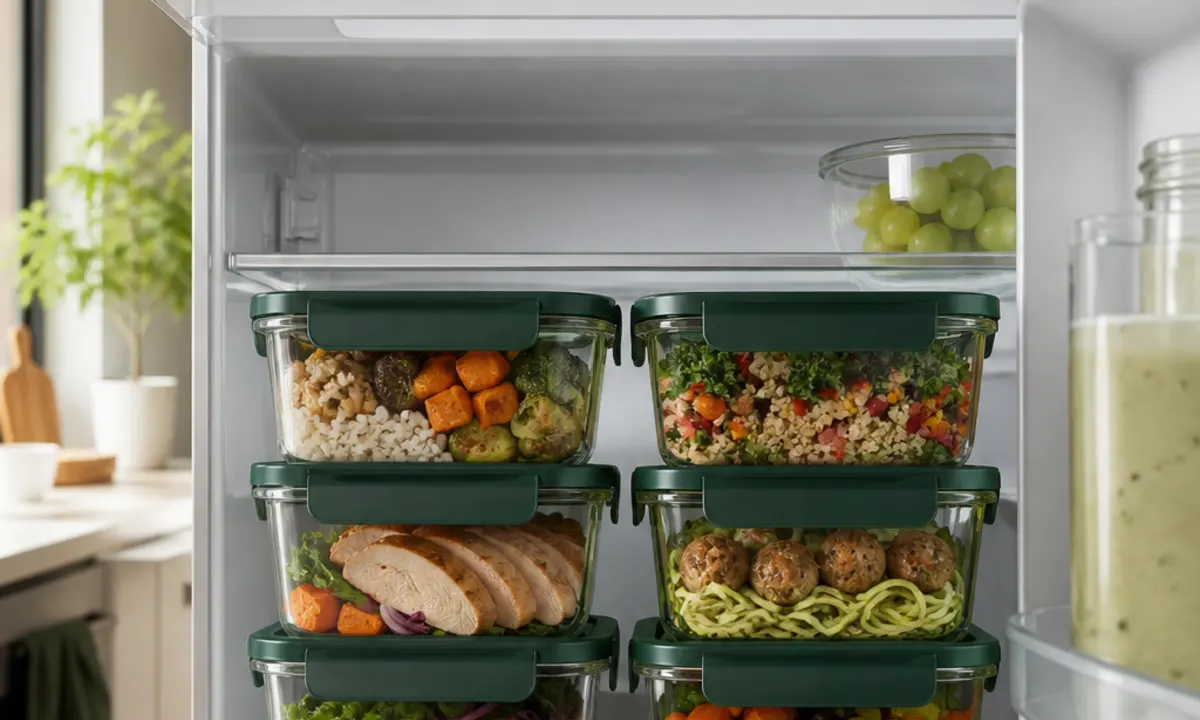
Rubbermaid Brilliance Glass
Why it made the shortlistA coordinated glass system for routines where compatible lids and predictable stack geometry matter.
- Useful for
- A stackable glass system when reheating and stain resistance matter.
- Source-checked details
- Rubbermaid lists the range as freezer-, microwave- and dishwasher-safe, with glass bases oven-safe to 450°F. The manufacturer also specifies modular stacking and universal lids across Brilliance materials.
- Watch for
- Glass is heavier and takes more fixed freezer space. Follow the exact thermal-shock and lid instructions supplied with the product.
Check the exact model, seller, availability and current terms on the live listing before buying.
Image note: This generic, unbranded image illustrates the product type and is not a photograph of the exact named product.
Plastic: light and easy to transport
Rigid plastic is useful for commuting, batch lunches and situations where weight or breakage risk matters. The exact resin, care instructions and replacement cycle are product-level questions. Check for freezer instructions, lid venting, staining or odor guidance, and whether damaged pieces should be retired.
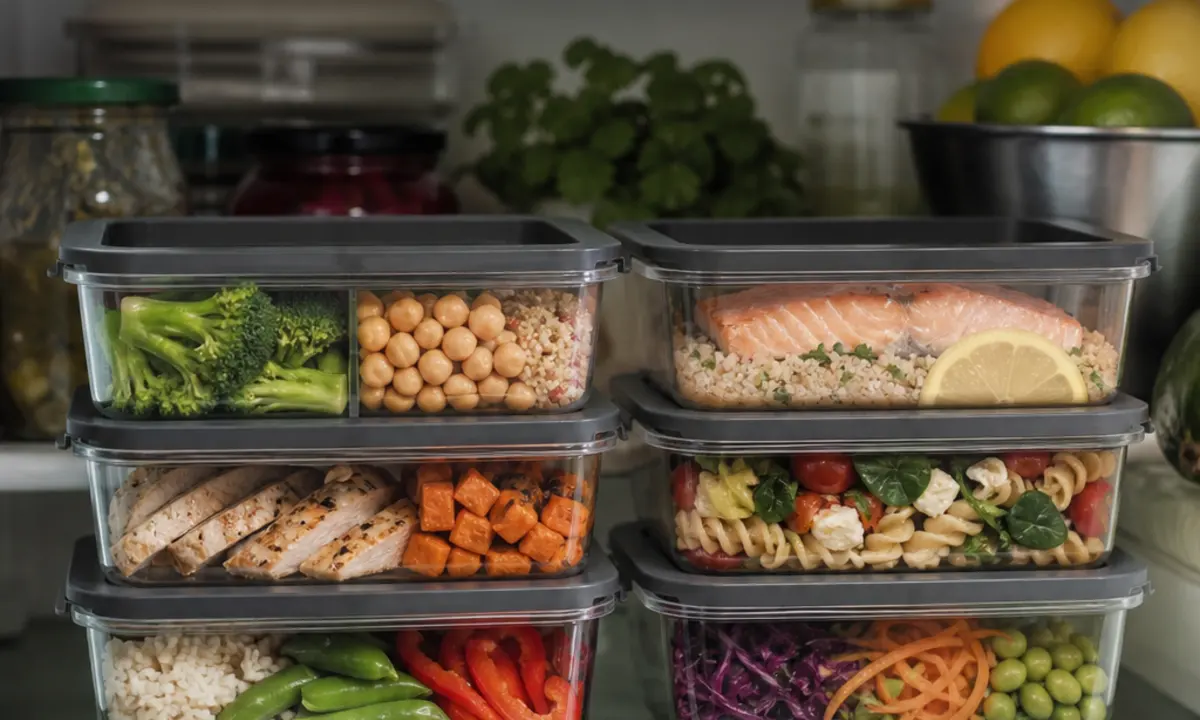
Rubbermaid Brilliance Plastic
Why it made the shortlistA rigid plastic system for routines where low weight and modular stacking matter.
- Useful for
- A lighter, rigid and stackable system for lunches and complete meals.
- Source-checked details
- Rubbermaid specifies freezer, microwave and dishwasher use for its Brilliance food-storage range, plus vented lids and a modular stack.
- Watch for
- The selected Amazon set and the manufacturer's reference set are not identical piece counts; verify the exact capacities shown on the live listing before buying.
Check the exact model, seller, availability and current terms on the live listing before buying.
Image note: This generic, unbranded image illustrates the product type and is not a photograph of the exact named product.
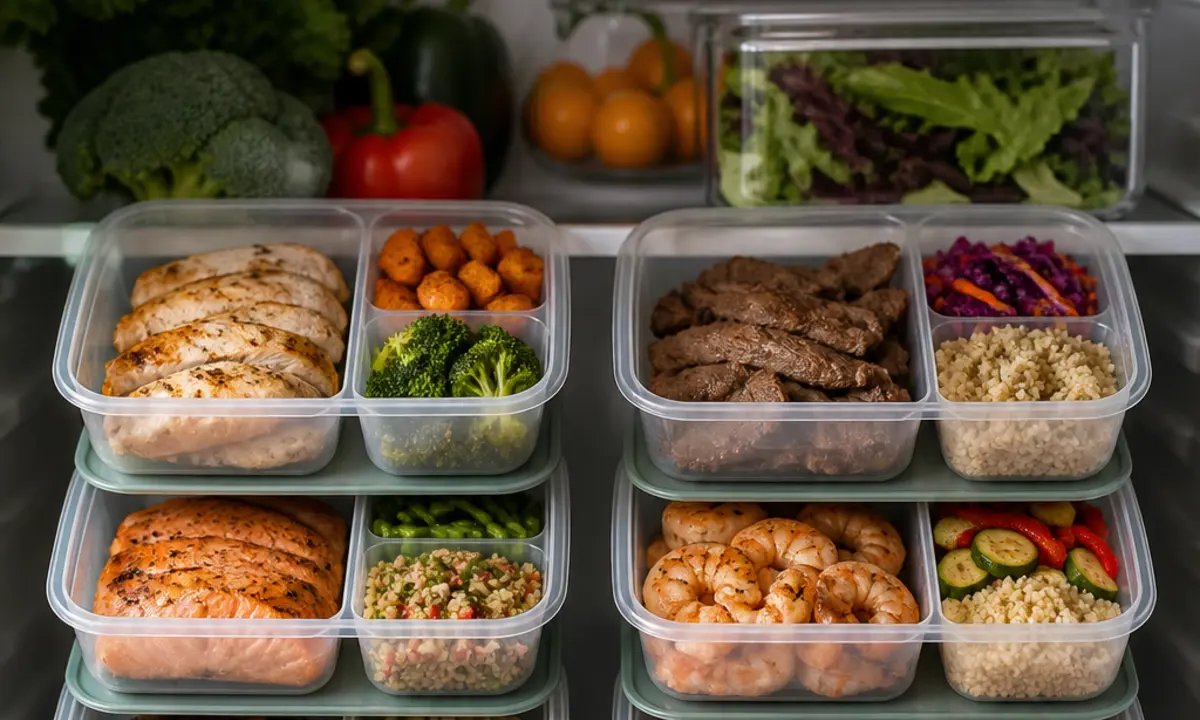
Bentgo Prep 3-Compartment
Why it made the shortlistA lightweight option when separated meal components matter more than versatility.
- Useful for
- Pre-portioned meals where one entrée and two sides should stay separated.
- Source-checked details
- Bentgo lists ten 4-cup trays with three compartments. The trays are freezer- and microwave-safe; the manufacturer says to remove lids before microwaving and hand-wash lids for best results.
- Watch for
- Compartment shapes reduce flexibility for soups and bulky foods. This is a lightweight system, not a leakproof soup container.
Check the exact model, seller, availability and current terms on the live listing before buying.
Image note: This generic, unbranded image illustrates the product type and is not a photograph of the exact named product.
Silicone: flexible, but not one single format
Silicone appears as bags, self-standing containers and portion trays. Those designs behave differently. A bag can compress when empty; a reinforced tray can create repeatable frozen portions; a self-standing container can bridge storage and reheating. Focus on the shape and seal, not only the word “silicone.”
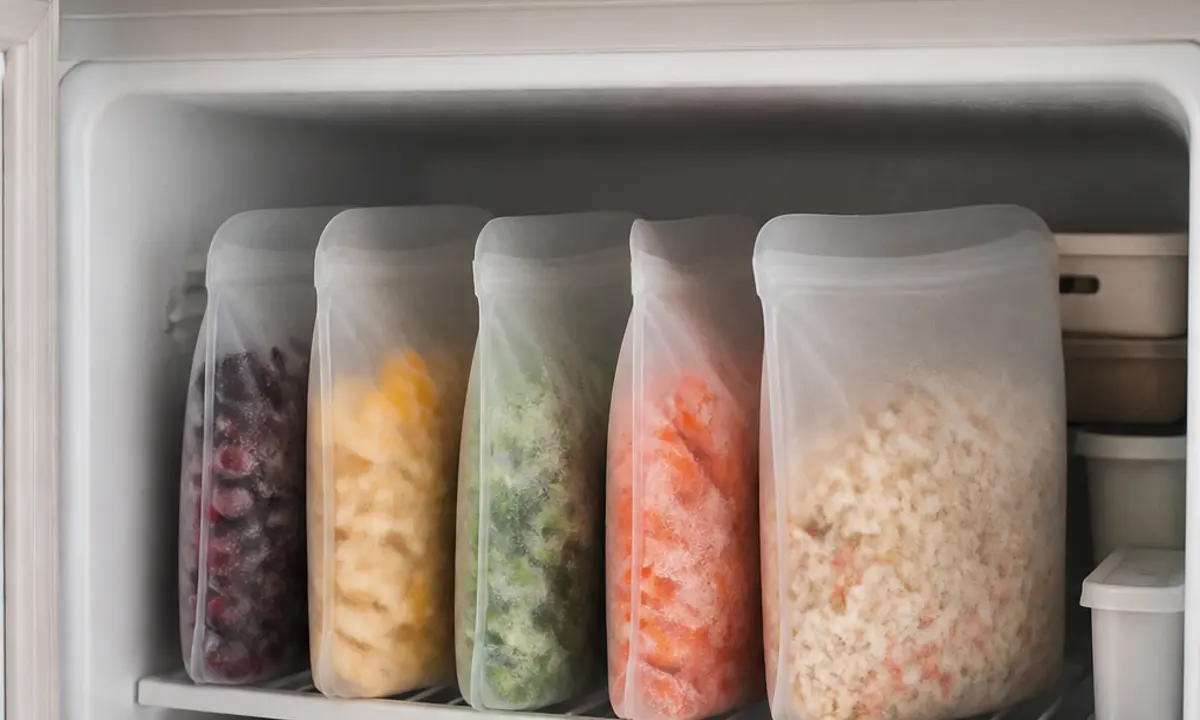
Stasher Stand-Up Mid
Why it made the shortlistA flexible stand-up bag for leftovers, meal components and freezer storage where empty-space efficiency matters.
- Useful for
- Flexible freezer storage when an empty container should collapse into less space.
- Source-checked details
- Stasher specifies a 56 fl oz stand-up format, Pinch-Loc seal, and freezer, microwave, dishwasher and oven use up to 425°F.
- Watch for
- Flexible sides can be less stable than rigid boxes while filling and stacking. Keep the seal clean and avoid sharp objects.
Check the exact model, seller, availability and current terms on the live listing before buying.
Image note: This generic, unbranded image illustrates the product type and is not a photograph of the exact named product.
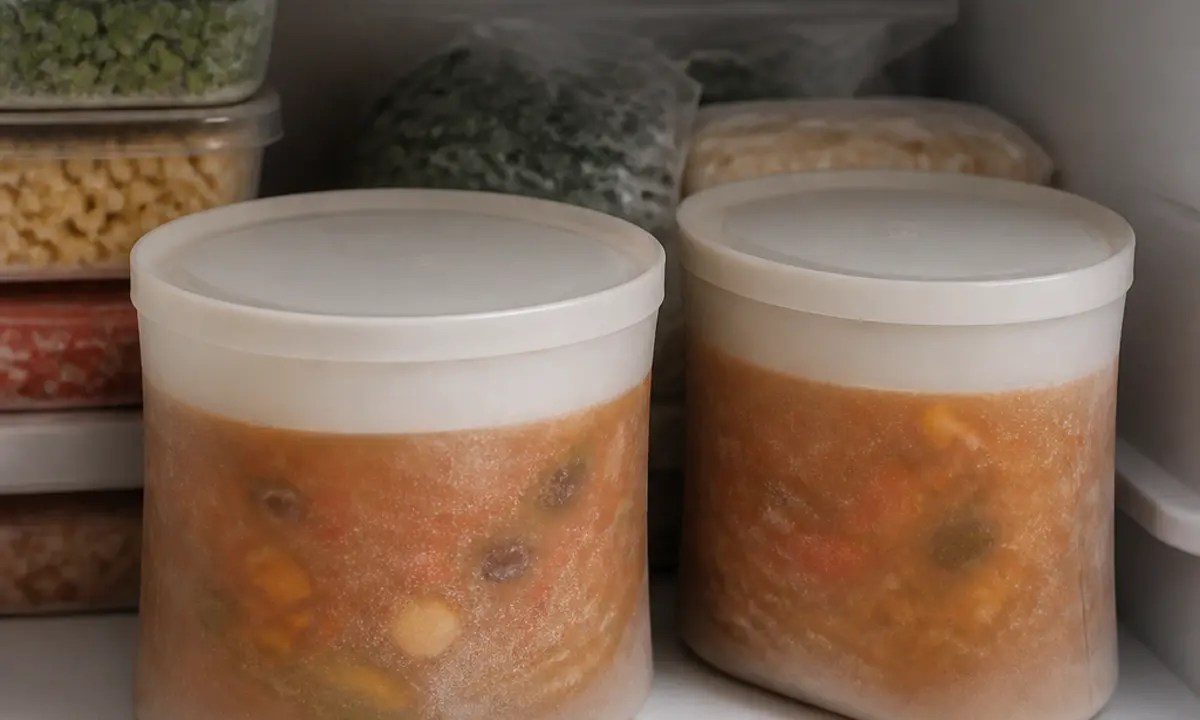
Ziploc Endurables Medium
Why it made the shortlistA self-standing silicone container for users who want more structure than a bag.
- Useful for
- A four-cup flexible container that can move from freezer to reheating while remaining self-standing.
- Source-checked details
- Ziploc lists a four-cup capacity, secure-seal design and freezer, fridge, microwave, dishwasher and oven use up to 425°F.
- Watch for
- Vent as directed before heating, place on the appropriate dish or pan, and use care with hot contents and grab tabs.
Check the exact model, seller, availability and current terms on the live listing before buying.
Image note: This generic, unbranded image illustrates the product type and is not a photograph of the exact named product.
A mixed-material system may be smaller
Choosing one material for everything can create unnecessary pieces. A compact system might use a few glass or rigid plastic rectangles for full meals, plus one silicone portion tray for soup and sauces. The useful constraint is not “one material only”; it is “every piece has a recurring job.”
- Pick one primary footprint for full meals.
- Add a second format only for a job the primary container handles poorly.
- Keep lid styles and capacities deliberately limited.
- Recheck manufacturer directions whenever a product design changes.
Useful detail
Material questions worth answering first
Material matters, but shape, weight, closure and care instructions often decide whether a container works in daily use.
Should you compare occupied space or empty-storage space?
Compare both. A rigid container can create a stable filled stack but still occupy the same cupboard space when empty. A flexible bag stores compactly when empty but may need support while filling or freezing.
Plan the filled freezer footprintWhen does glass earn its extra weight?
Glass can make sense when visibility, stain resistance and an approved reheating route matter more than carrying weight or compact empty storage. Confirm the exact temperature-change and lid instructions instead of applying a general rule to every glass product.
Plan the thawing and reheating routeCan silicone replace every rigid container?
Not necessarily. Flexible silicone can solve empty-storage and irregular-shape problems, but fill stability, stacking and closure design vary. Keep a rigid lane for foods that need shape protection or a more predictable stack.
Use-case guide
Freezing soup changes the design problem.
Liquids need stable filling, room for expansion, a reliable closure and a sensible thawing route.
Compare soup and sauce designs →