Research-led freezer systems
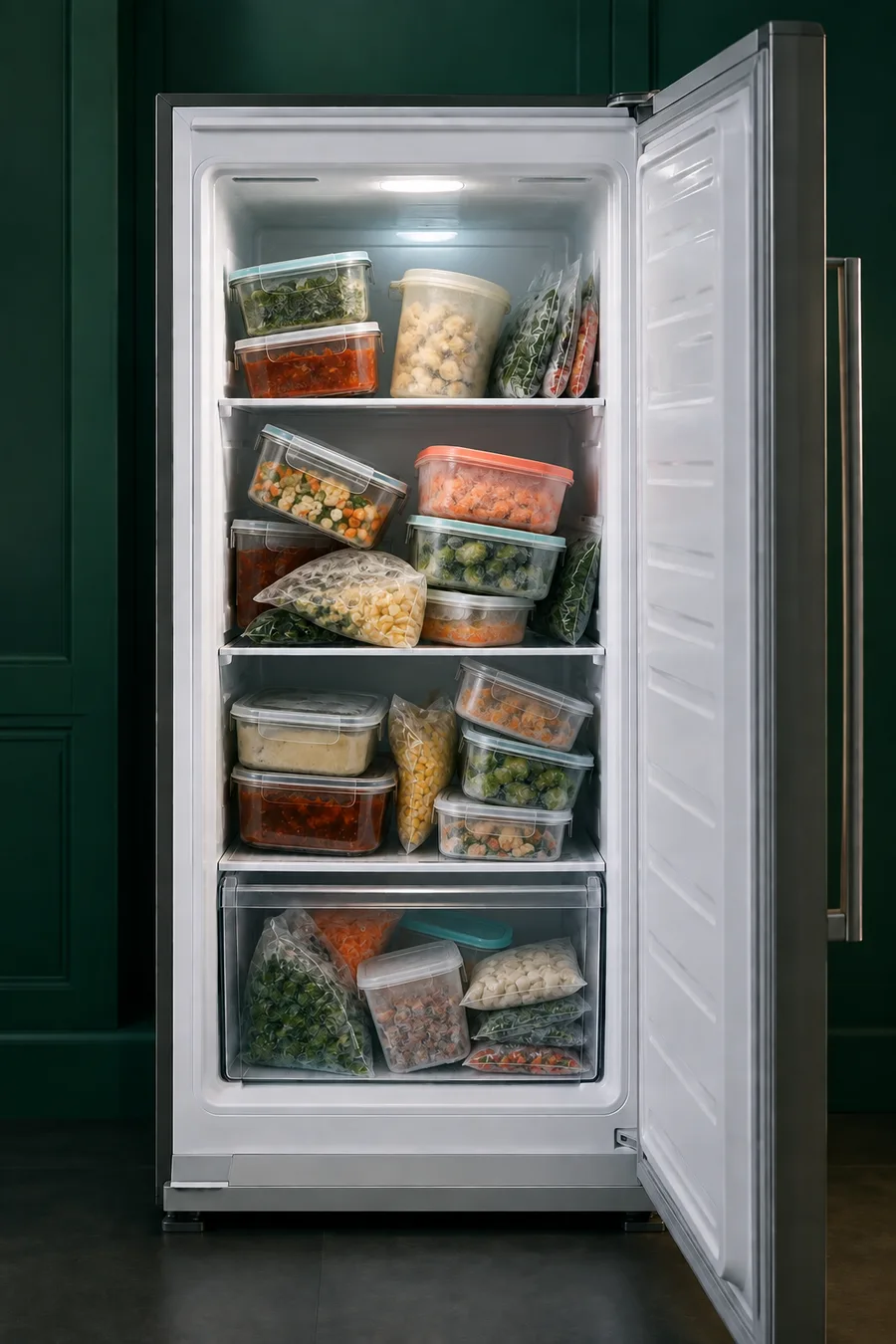
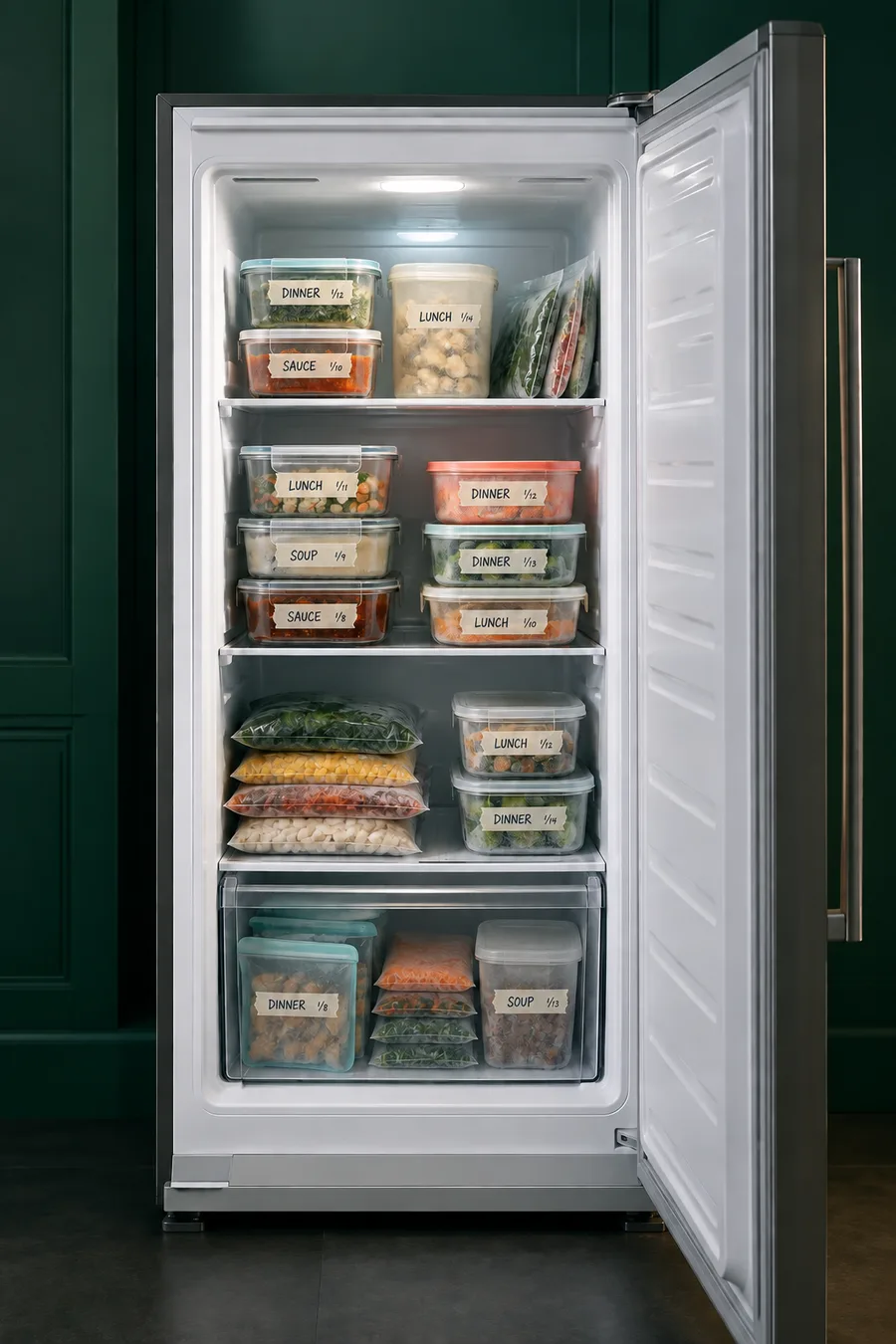
Open the freezer. See dinner, not decisions.
Scroll to turn scattered containers, portions and labels into one repeatable system.
Scroll to build the systemResearch before recommendations. Compare use cases, source-checked specifications and trade-offs before you choose.
Research-led freezer systems
Scroll to turn scattered containers, portions and labels into one repeatable system.
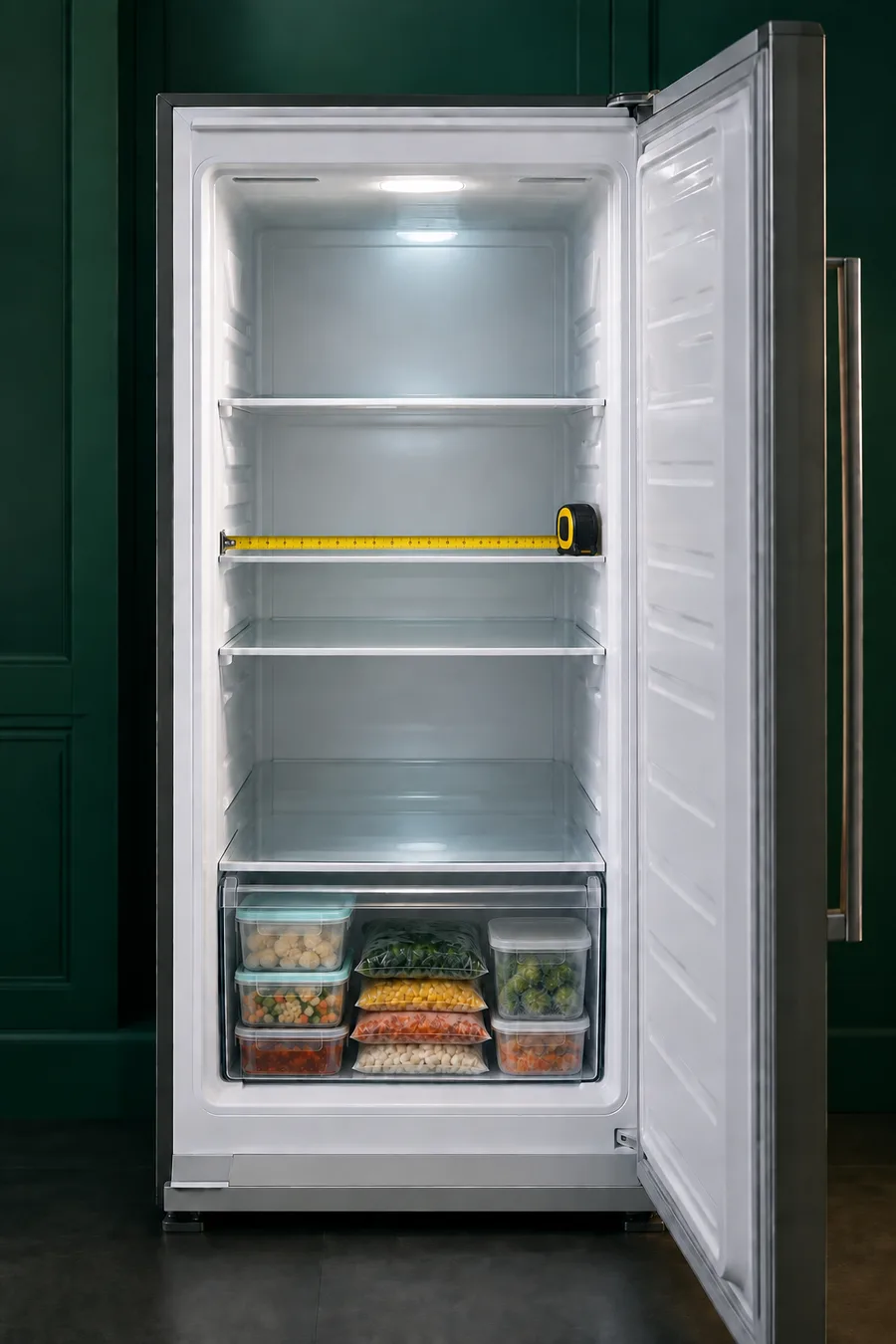
Scroll to build the system01 / Measure
Map the usable width, depth and stack height before comparing container formats.
02 / Match
Complete meals, soups, sauces and flat portions behave differently in the freezer.
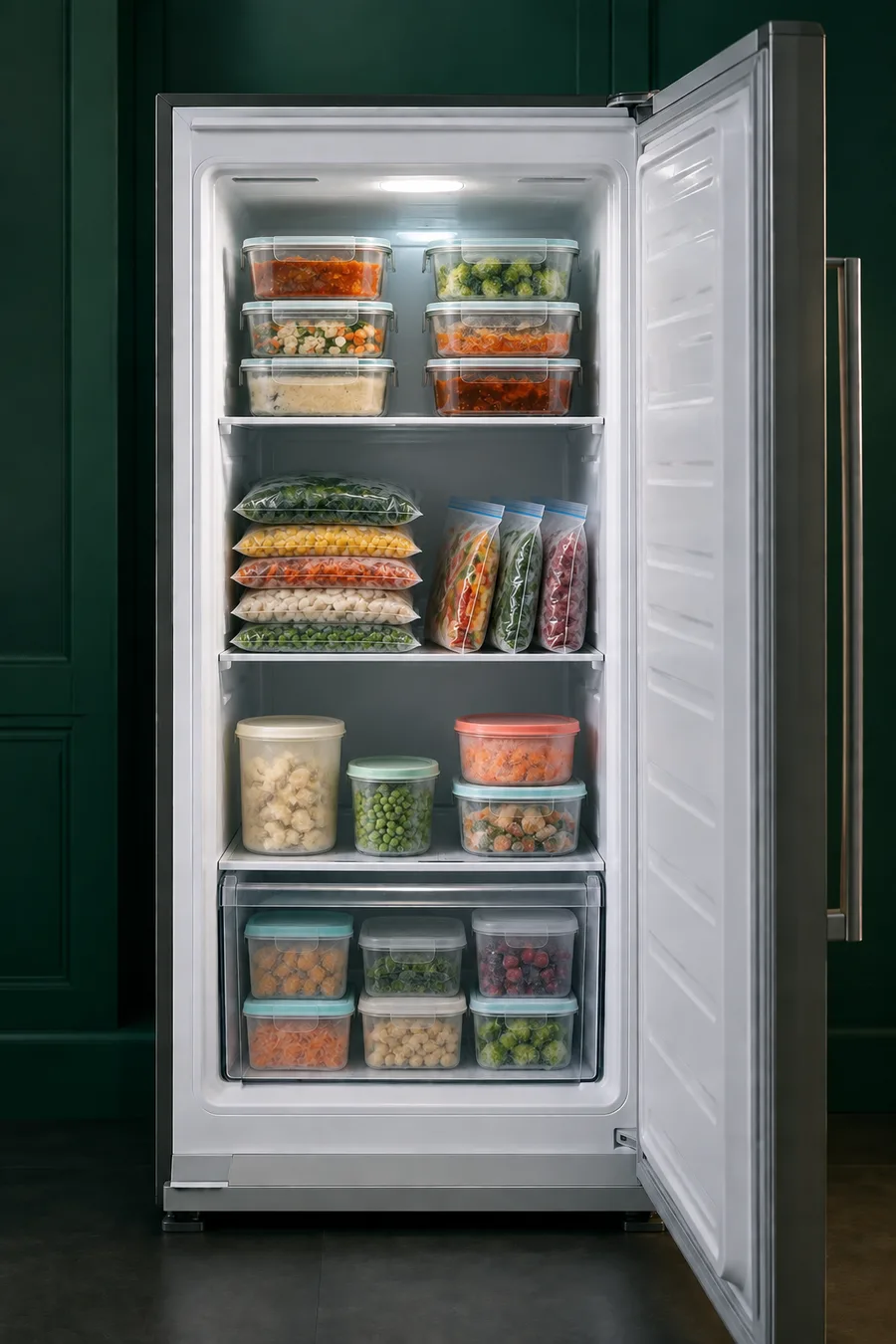
03 / Stack
Combine compatible footprints and portion sizes so the shelf stays visible and usable.
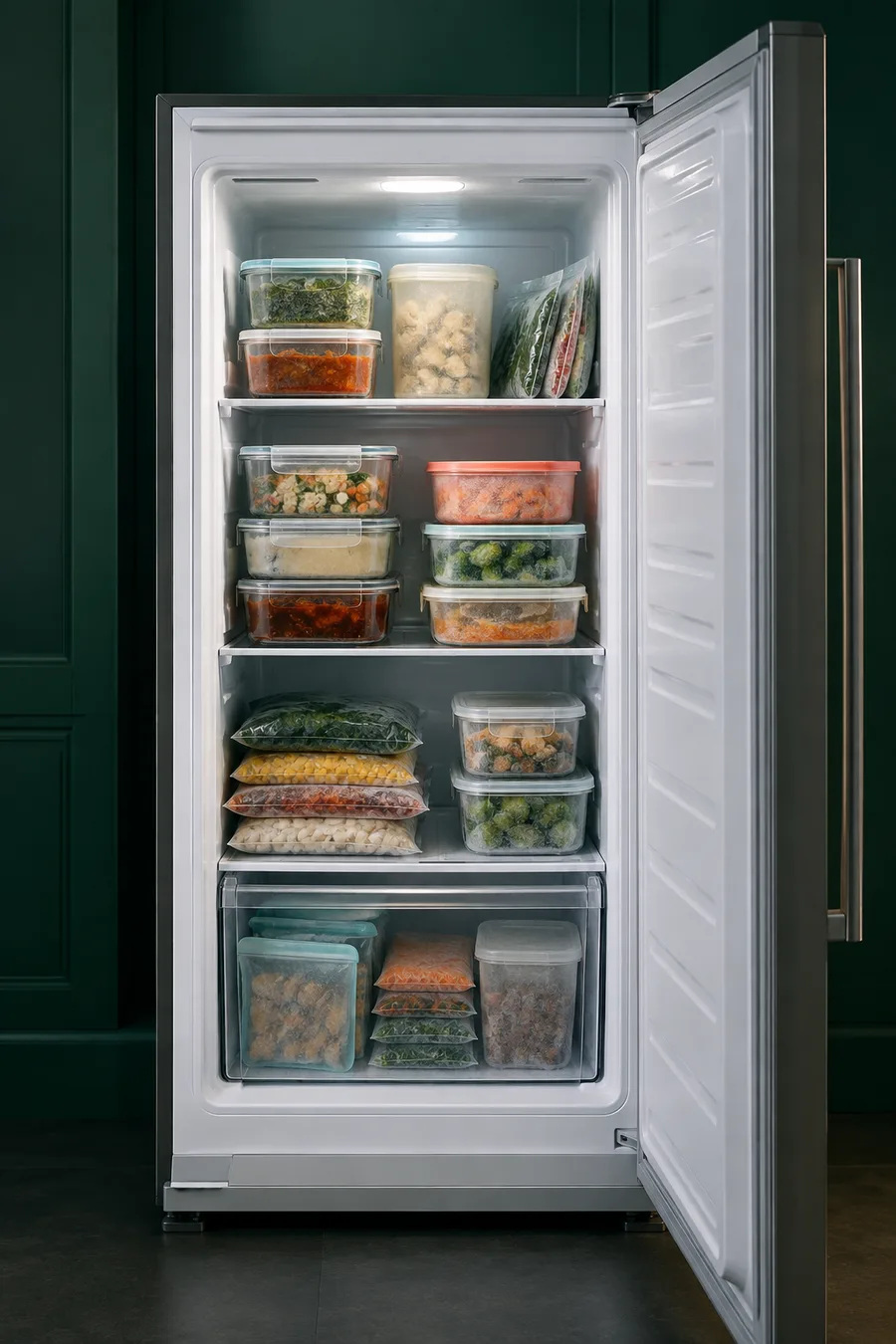
04 / Label and rotate
Keep contents, dates and next-use decisions visible, then repeat what works.
Start with the friction
Guide library
Skip the endless product roundup. Start with your space, food type and routine.
Build a compact system around food type, reheating method, capacity and real shelf dimensions.
Match material trade-offs to weight, stack stability, empty storage and reheating workflow.
Compare rigid boxes, flexible bags, self-standing silicone and portion-freezing trays.
Compare footprint, food settings, bag workflow, cleanup, accessories and ongoing supplies before choosing a machine.
Pick the freezer format by food type, liquid handling, workflow, cleaning and recurring material use.
The system map
A container is useful only if its size, material and shape work together in your routine.
Continue to material trade-offs →Complete meals, soups, sauces and component ingredients need different shapes.
Freezer-to-fridge, microwave and oven workflows change the material decision.
Measure the shelf and plan stack height before choosing a set.
Material snapshot
Always follow the exact product’s temperature, freezer, reheating and cleaning instructions.
Our editorial standard
We compare materials, capacities and manufacturer guidance so you can see what fits your freezer, your meals and your routine.
Define the food, space and workflow before looking at products.
Check specifications and care directions against manufacturer sources.
Label research-led comparisons and never imply testing that did not occur.
Show the affiliate relationship before a reader reaches a product link.
Focused library
Compare containers, portions, labels and care, then build a freezer meal-prep system that works together.
Disclosure
Kitchen Flow Lab may earn a commission when a reader buys through a clearly marked affiliate link, at no additional cost to the reader.
As an Amazon Associate I earn from qualifying purchases.
Read the full disclosure →