See the eleven researched options →
Quick match by what you freeze
Use this as a shortlist, then confirm the exact product instructions and dimensions before buying.
Start with a system, not a set
A large matching set can still create clutter if most pieces are the wrong shape. A compact freezer system usually needs only two or three jobs covered: complete meals, liquid foods, and small components such as sauce or cooked grains. Define those jobs first, then choose the fewest repeatable sizes that cover them.
For a small kitchen, consistency has a practical advantage. Containers with the same footprint can stack predictably, lids are easier to match, and the freezer shelf is easier to scan. Flexible bags can play a different role by using little space when empty, while portion trays can turn a large batch into compact, repeatable units.
Food type
Flat meals, compartment meals, soup and small portions each need a different geometry.
02Reheating route
Freezer-to-fridge, microwave and oven workflows narrow the safe material choices.
03Freezer footprint
Measure shelf width, depth and usable stack height before choosing capacities.
04Maintenance
Check the exact lid, seal, venting, dishwasher and replacement instructions.
Choose by system role
Each product represents a distinct job in the system. Current Amazon listings and manufacturer specifications for the latest additions were checked on 26 September 2026. Selections are based on documented fit, not customer-review rankings.
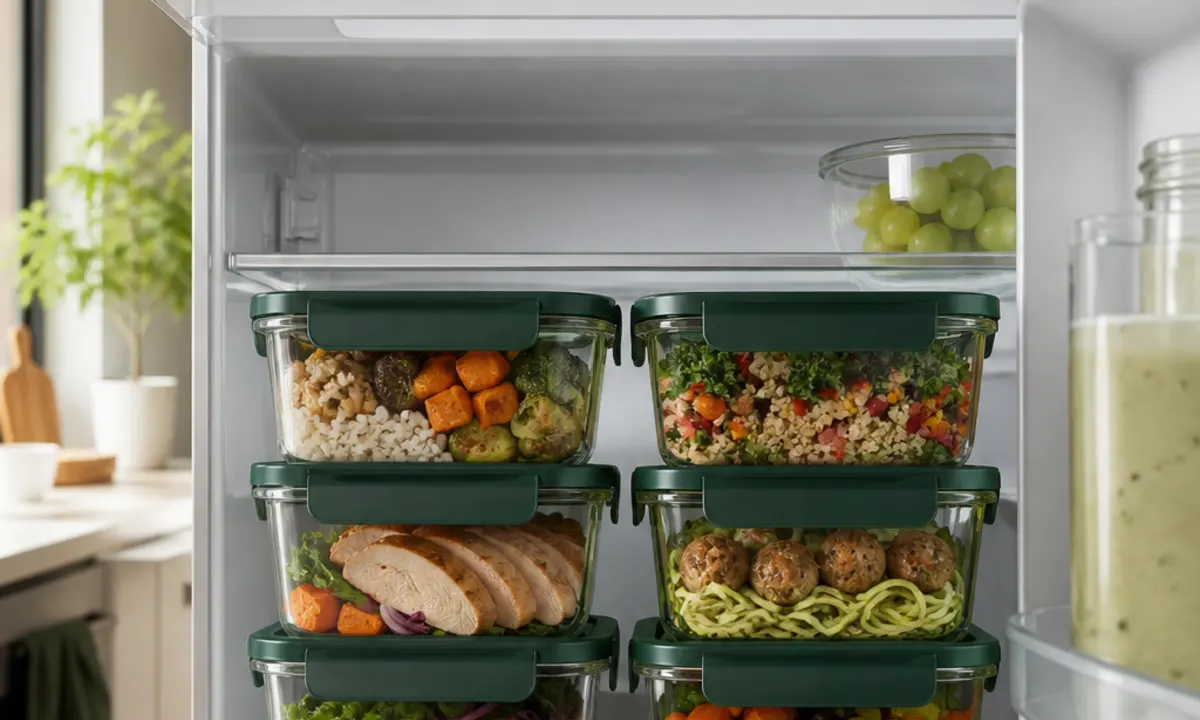
Rubbermaid Brilliance Glass
Why it made the shortlistConsider when you want a coordinated glass system for freezer storage, reheating and serving.
- Useful for
- A stackable glass system when reheating and stain resistance matter.
- Source-checked details
- Rubbermaid lists the range as freezer-, microwave- and dishwasher-safe, with glass bases oven-safe to 450°F. The manufacturer also specifies modular stacking and universal lids across Brilliance materials.
- Watch for
- Glass is heavier and takes more fixed freezer space. Follow the exact thermal-shock and lid instructions supplied with the product.
Check the exact model, seller, availability and current terms on the live listing before buying.
Image note: This generic, unbranded image illustrates the product type and is not a photograph of the exact named product.
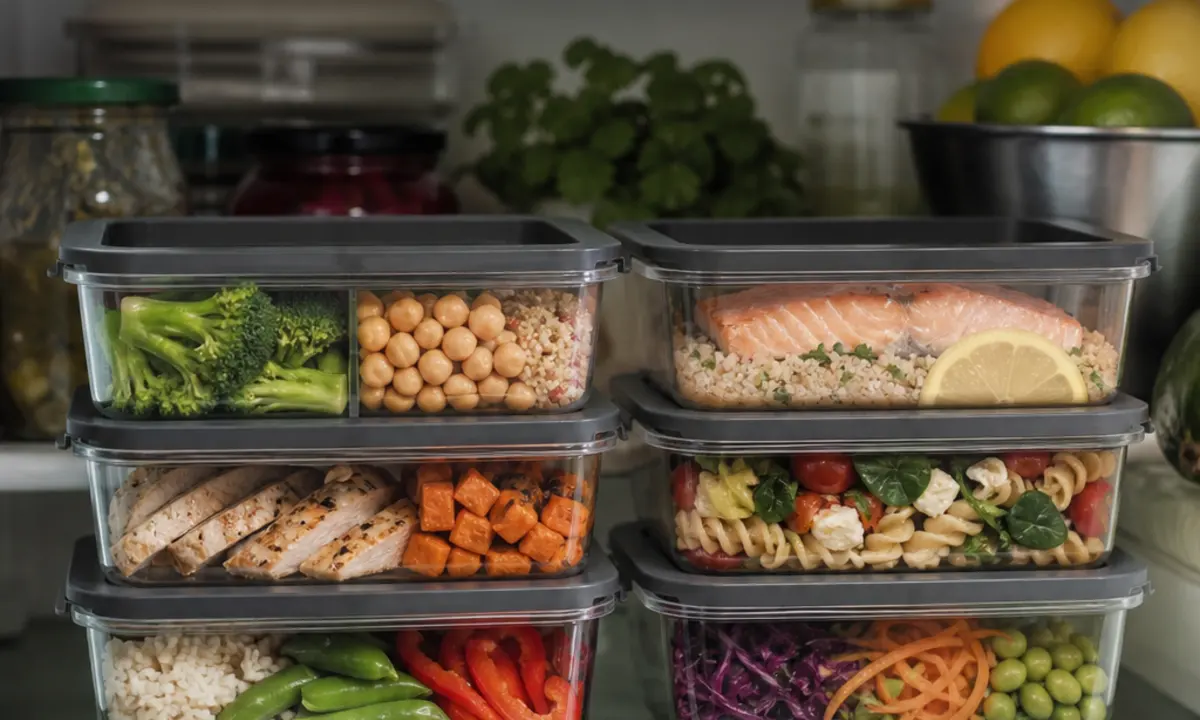
Rubbermaid Brilliance Plastic
Why it made the shortlistConsider when a lighter rigid container and consistent stack matter more than oven use.
- Useful for
- A lighter, rigid and stackable system for lunches and complete meals.
- Source-checked details
- Rubbermaid specifies freezer, microwave and dishwasher use for its Brilliance food-storage range, plus vented lids and a modular stack.
- Watch for
- The selected Amazon set and the manufacturer's reference set are not identical piece counts; verify the exact capacities shown on the live listing before buying.
Check the exact model, seller, availability and current terms on the live listing before buying.
Image note: This generic, unbranded image illustrates the product type and is not a photograph of the exact named product.
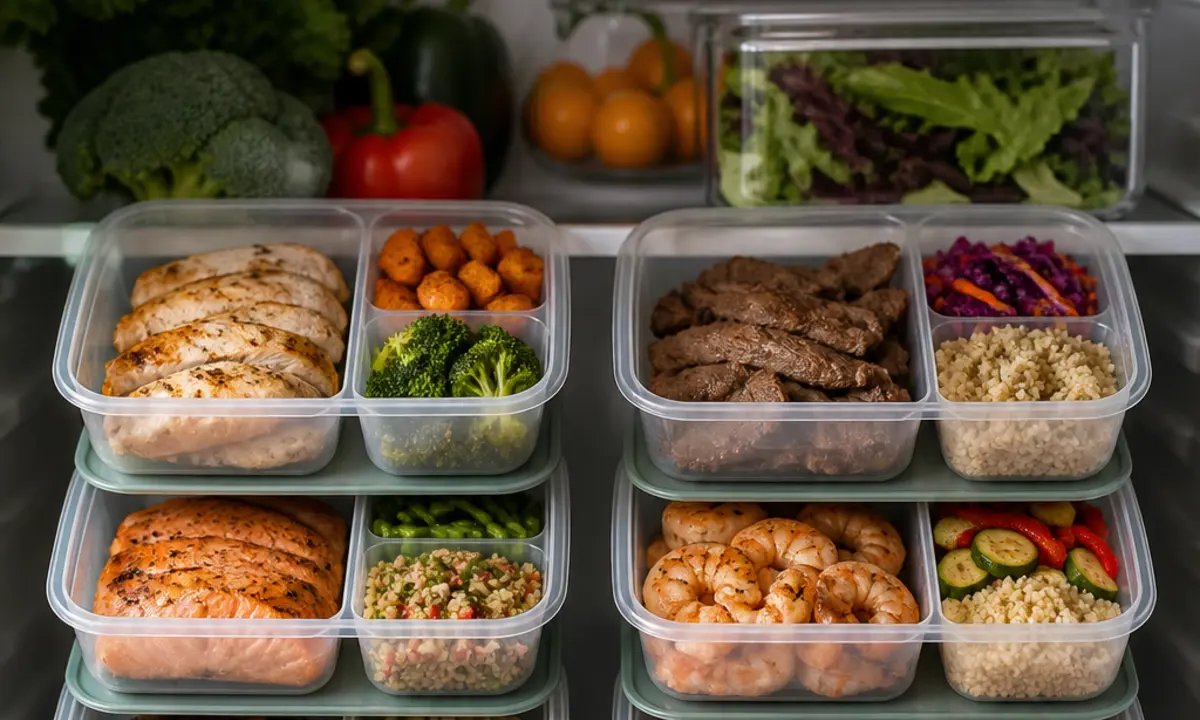
Bentgo Prep 3-Compartment
Why it made the shortlistConsider for separated lunches and portioned complete meals, not for soup.
- Useful for
- Pre-portioned meals where one entrée and two sides should stay separated.
- Source-checked details
- Bentgo lists ten 4-cup trays with three compartments. The trays are freezer- and microwave-safe; the manufacturer says to remove lids before microwaving and hand-wash lids for best results.
- Watch for
- Compartment shapes reduce flexibility for soups and bulky foods. This is a lightweight system, not a leakproof soup container.
Check the exact model, seller, availability and current terms on the live listing before buying.
Image note: This generic, unbranded image illustrates the product type and is not a photograph of the exact named product.
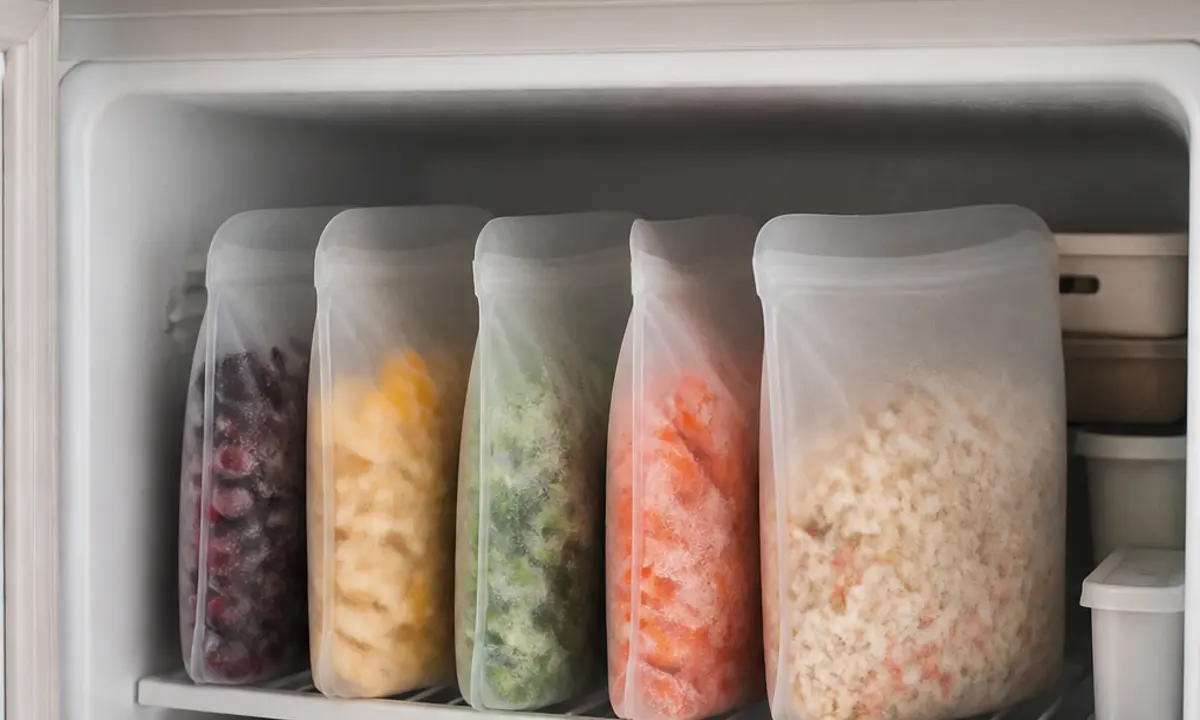
Stasher Stand-Up Mid
Why it made the shortlistConsider when flexible storage and reduced empty-container bulk are priorities.
- Useful for
- Flexible freezer storage when an empty container should collapse into less space.
- Source-checked details
- Stasher specifies a 56 fl oz stand-up format, Pinch-Loc seal, and freezer, microwave, dishwasher and oven use up to 425°F.
- Watch for
- Flexible sides can be less stable than rigid boxes while filling and stacking. Keep the seal clean and avoid sharp objects.
Check the exact model, seller, availability and current terms on the live listing before buying.
Image note: This generic, unbranded image illustrates the product type and is not a photograph of the exact named product.
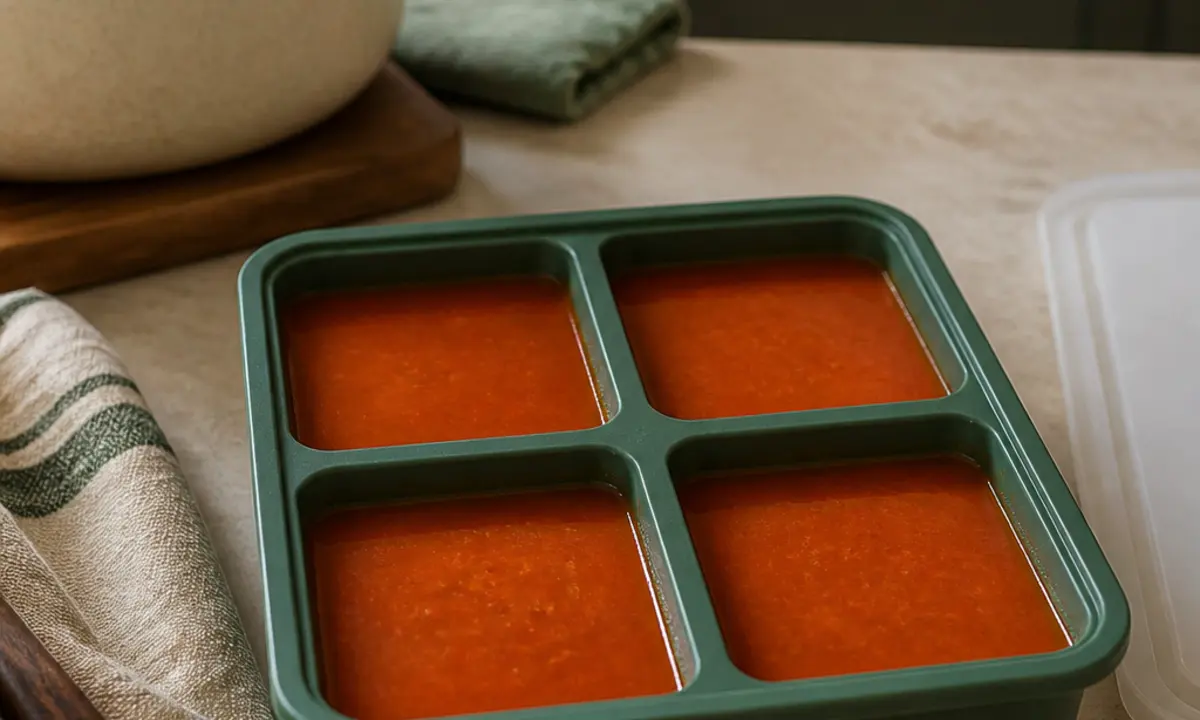
Souper Cubes 1-Cup Trays
Why it made the shortlistConsider as a portioning tool for soup, stock, sauce and cooked grains.
- Useful for
- Freezing soup, stock and sauce in repeatable one-cup portions before transferring the frozen portions to compact storage.
- Source-checked details
- Souper Cubes specifies four one-cup wells per tray, half-cup and one-cup fill lines, a stacking lid and an oven-safe temperature of 415°F for the tray only.
- Watch for
- This is a portion-forming tray, not the final transport container. The lid is not oven-safe; follow the product instructions.
Check the exact model, seller, availability and current terms on the live listing before buying.
Image note: This generic, unbranded image illustrates the product type and is not a photograph of the exact named product.
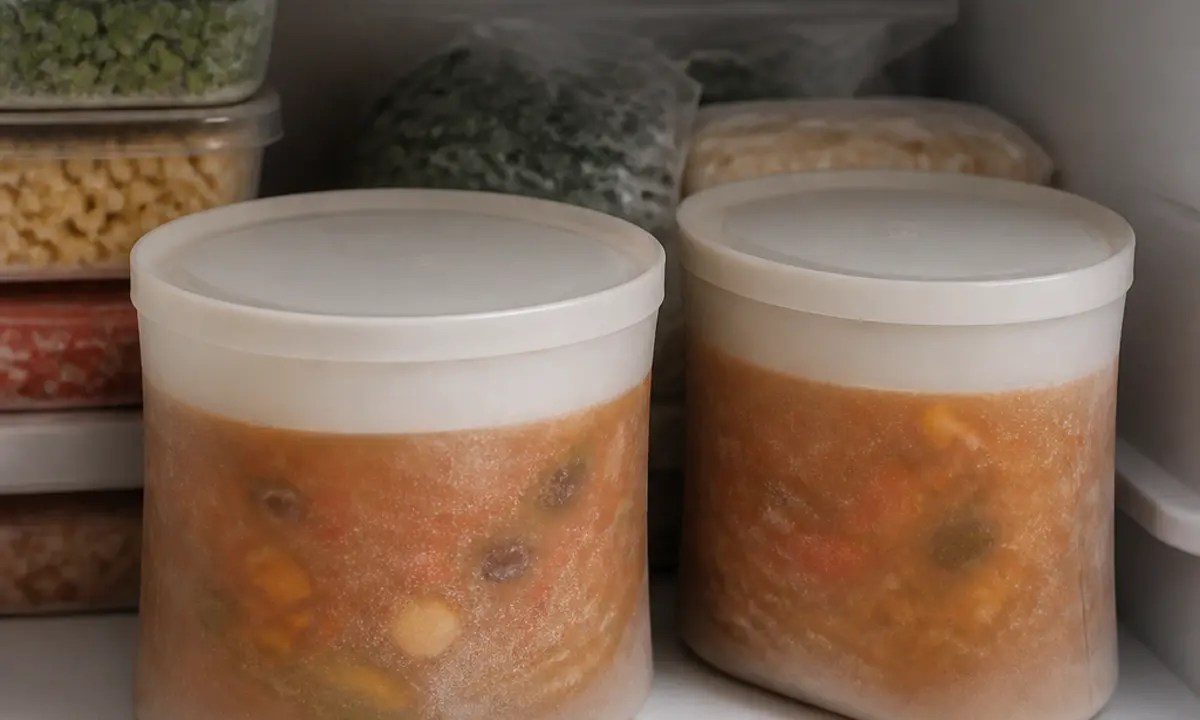
Ziploc Endurables Medium
Why it made the shortlistConsider for a flexible, self-standing container that supports several reheating routes.
- Useful for
- A four-cup flexible container that can move from freezer to reheating while remaining self-standing.
- Source-checked details
- Ziploc lists a four-cup capacity, secure-seal design and freezer, fridge, microwave, dishwasher and oven use up to 425°F.
- Watch for
- Vent as directed before heating, place on the appropriate dish or pan, and use care with hot contents and grab tabs.
Check the exact model, seller, availability and current terms on the live listing before buying.
Image note: This generic, unbranded image illustrates the product type and is not a photograph of the exact named product.
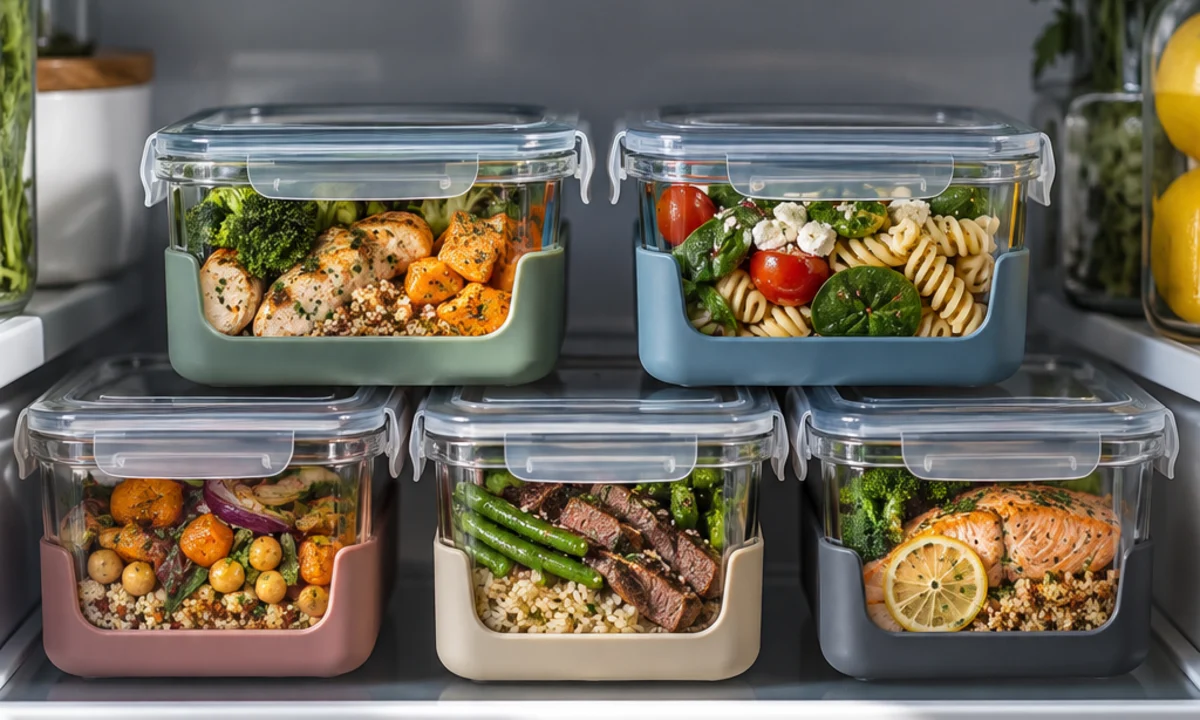
Ello Duraglass Refresh
Why it made the shortlistConsider when five matching glass meal-prep portions and protective silicone sleeves fit the weekly routine.
- Useful for
- A five-container glass meal-prep set when protective sleeves, visible portions and a direct reheating route matter.
- Source-checked details
- Ello specifies five 3.4-cup glass containers with airtight locking lids and protective silicone boots. The manufacturer lists dishwasher and freezer use with the lids, and microwave and oven use after the lids are removed.
- Watch for
- The silicone sleeves protect surfaces and add grip, but they do not remove the need to follow the manufacturer's thermal-shock instructions. Remove lids for microwave and oven use.
Check the exact model, seller, availability and current terms on the live listing before buying.
Image note: This generic, unbranded image illustrates the product type and is not a photograph of the exact named product.
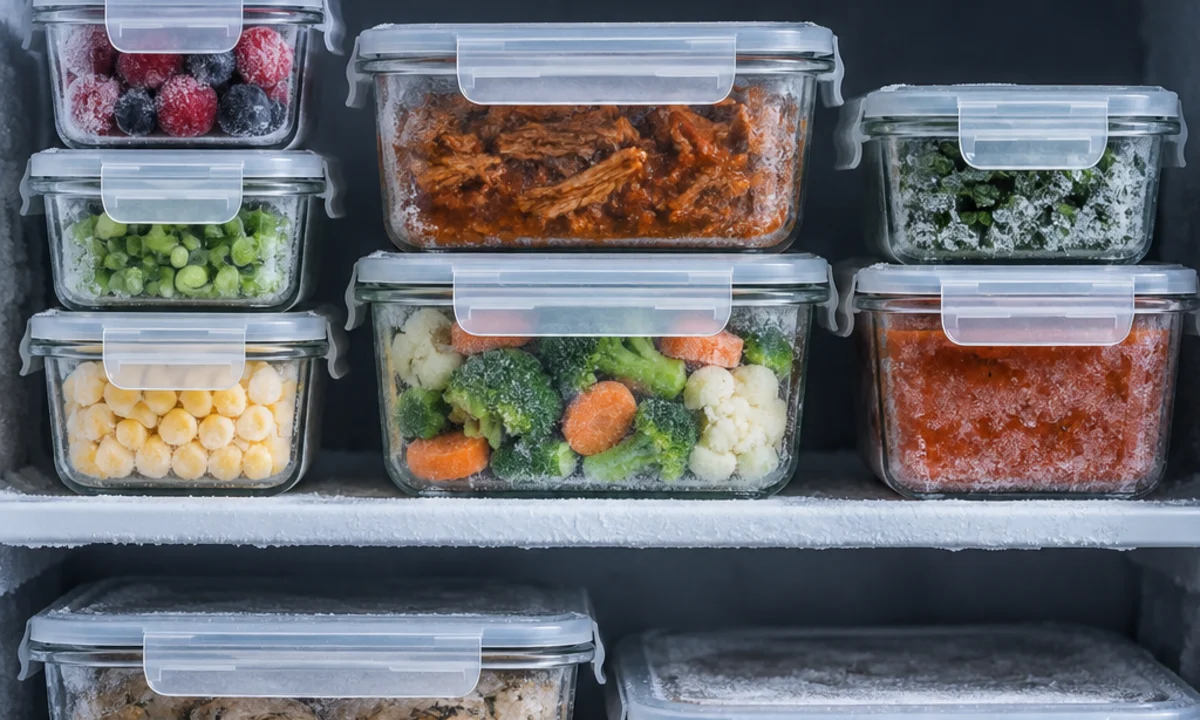
OXO Smart Seal Glass
Why it made the shortlistConsider when one modular glass family must cover both small recipe components and larger portions.
- Useful for
- A mixed-size glass system when smaller recipe components and complete portions need one coordinated lid family.
- Source-checked details
- OXO specifies borosilicate glass, four-tab locking lids, removable gaskets and a modular nesting design. The current set includes small round and rectangular containers plus a 3.5-cup rectangle, and the manufacturer describes freezer-to-oven or microwave use.
- Watch for
- The set mixes several capacities, so confirm that the smaller pieces solve recurring jobs rather than becoming unused cabinet clutter. Follow the exact lid and temperature-change directions.
Check the exact model, seller, availability and current terms on the live listing before buying.
Image note: This generic, unbranded image illustrates the product type and is not a photograph of the exact named product.
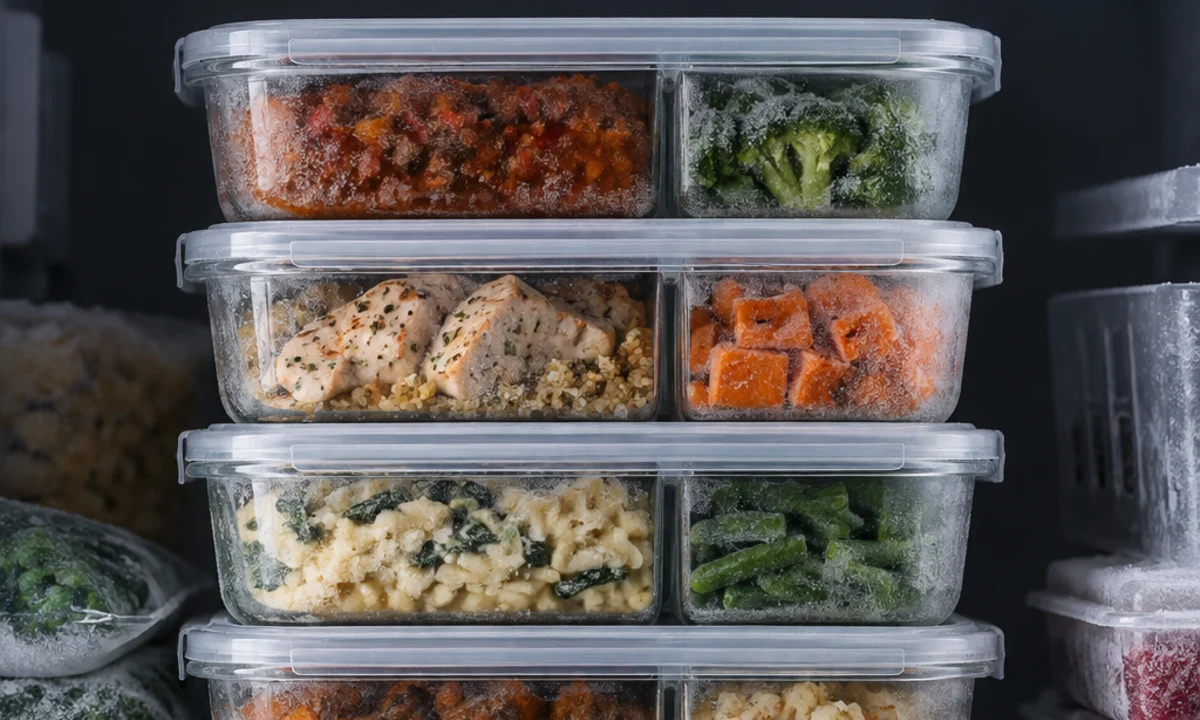
Pyrex MealBox Divided Glass
Why it made the shortlistConsider when the menu repeatedly uses a larger main and smaller side that should remain separated.
- Useful for
- Complete meals that benefit from one larger main compartment and one smaller side compartment.
- Source-checked details
- Pyrex specifies a 5.8-cup divided glass container with a 3.3-cup main section and a 2.2-cup side section. The manufacturer lists the container and lid as freezer and microwave safe, with dishwasher care directions for both parts.
- Watch for
- The fixed two-compartment ratio suits some meals and constrains others. The manufacturer page for the single container was unavailable at the evidence check, while the Amazon five-pack listing was available; confirm the live model and lid directions.
Check the exact model, seller, availability and current terms on the live listing before buying.
Image note: This generic, unbranded image illustrates the product type and is not a photograph of the exact named product.
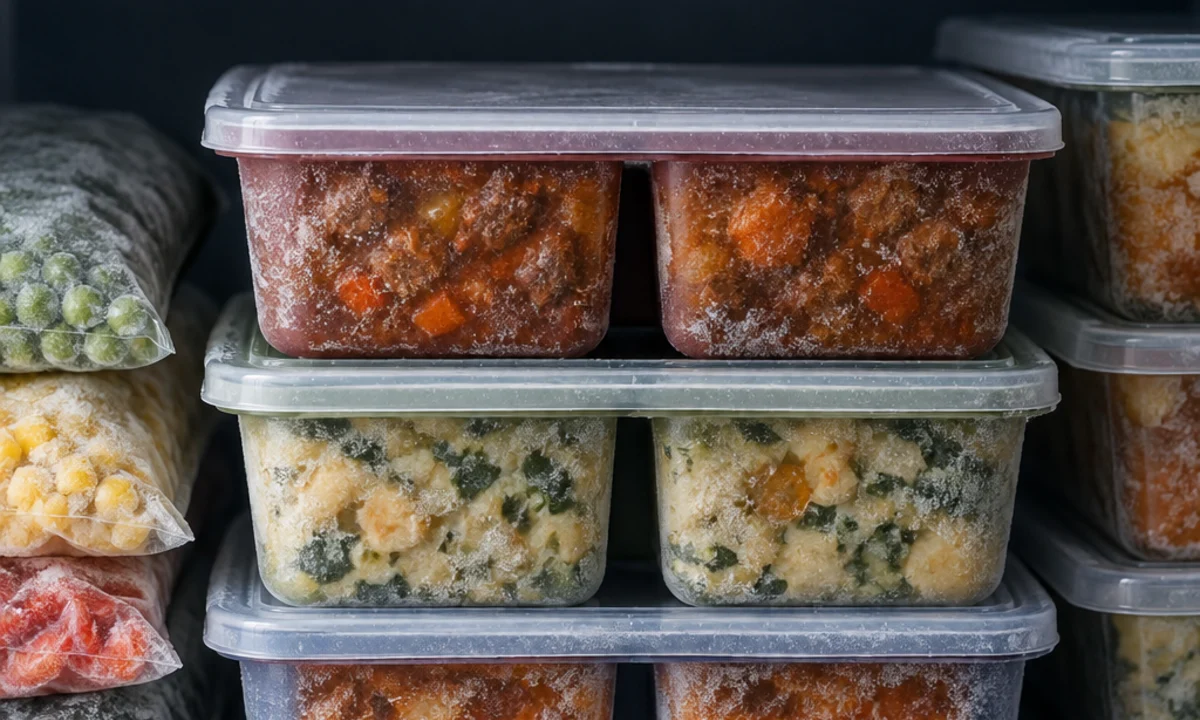
Souper Cubes 2-Cup Trays
Why it made the shortlistConsider when two cups equals one complete meal or one repeatable recipe unit.
- Useful for
- Forming larger portions for complete meals, casseroles, stews and recipe-ready two-cup units.
- Source-checked details
- Souper Cubes specifies two wells per tray with one-cup and two-cup fill lines, a steel-reinforced rim and a snug plastic lid. The manufacturer lists the trays as oven safe to 415°F, with the lids excluded from oven use.
- Watch for
- A two-cup block is useful only when that amount matches a real meal or recipe. Treat the tray as a forming tool and move fully frozen portions into an appropriate labelled storage format when the workflow calls for it.
Check the exact model, seller, availability and current terms on the live listing before buying.
Image note: This generic, unbranded image illustrates the product type and is not a photograph of the exact named product.
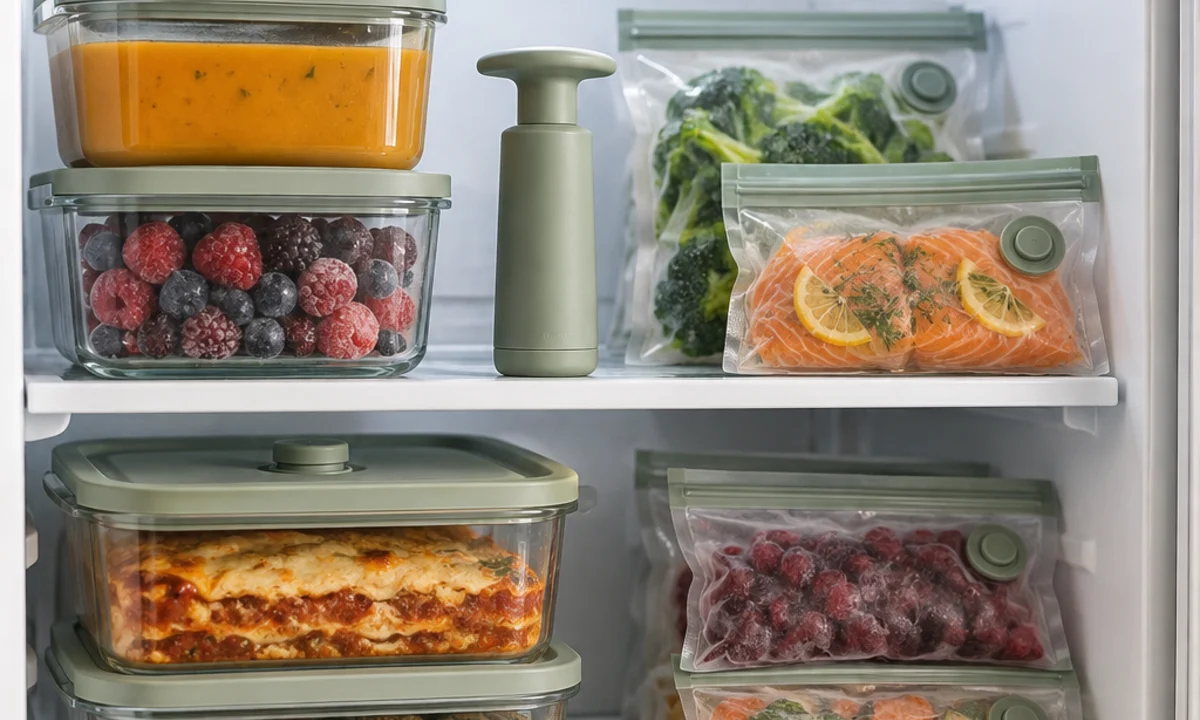
ZWILLING Fresh & Save Glass
Why it made the shortlistConsider when reusable vacuum bags and rigid glass containers should share one compact handheld pump.
- Useful for
- A reusable vacuum system that combines rigid glass containers and zipper bags with one handheld pump.
- Source-checked details
- ZWILLING specifies one medium and one large glass vacuum container, four reusable vacuum bags and a rechargeable pump. The containers are nestable, freezer safe and ovenproof without lids; the bags are described as freezer safe and reusable.
- Watch for
- The bags and containers use valves and seals that need correct cleaning and alignment. Remove the vacuum seal before microwave use and follow the manufacturer's separate instructions for bags, lids and glass bases.
Check the exact model, seller, availability and current terms on the live listing before buying.
Image note: This generic, unbranded image illustrates the product type and is not a photograph of the exact named product.
What to verify on the live listing
- The exact piece count and the capacity of each base, not the total number of bases plus lids.
- The manufacturer’s freezer, microwave, oven and dishwasher instructions for that exact model.
- Whether lids must be removed, unlatched or vented before reheating.
- Whether replacement lids or additional matching sizes are available.
- Whether the exterior footprint fits your measured shelf when stacked.
Considering flatter freezer packets instead of another rigid size? Compare heat-seal bags with reusable freezer containers, then review the vacuum-sealer specifications that change the workflow.
Useful detail
Questions that improve the container decision
Use these short explanations to turn a broad product search into a container system that fits the food, shelf and reheating route.
How do you choose a useful container size?
Start with the amount you normally thaw or reheat at one time, then check the external footprint and stack height. A capacity can look suitable on a listing while the shape wastes shelf space or creates a portion you rarely use.
Use the capacity and shape chartWhy can two container formats work better than one set?
Rigid containers protect liquids and fragile meals, while flexible packets can use less space for firm or pre-frozen food. A mixed system is useful when each format has a defined job and the pieces still fit a repeatable shelf plan.
Compare flexible and rigid formatsWhat does freezer-safe tell you, and what does it leave unanswered?
Freezer suitability does not automatically confirm microwave, oven, dishwasher, venting or lid use. Check the exact model instructions for every stage of your routine, especially when food will move from cold storage into reheating.
Next decision
Choose the material deliberately.
Glass, plastic and silicone solve different parts of the workflow. Compare the trade-offs before committing to one format.
Read the material comparison →